

How Can Physiotherapy Remedy Ulnar Nerve Transposition
Image Source: https://www.jaaos.org/content/9/2/99/F11.expansion The ulnar nerve is a single nerve that arises from a group of nerves called the brachial plexus. It runs down the inner aspect of the arm, behind a bony prominence on the inner side of the elbow called the medial epicondyle. And, it runs all the down to the hand, supplying sensation to the muscles of the forearm and hand along the way. The procedure performed to move the ulnar nerve from behind the medial epicondyle to a suitable position where it is not irritated or pinched by this bony prominence is known as Ulnar Nerve Transposition. Transposition




Physiotherapy for Spine Alignment
For diagnosing spinal alignment, posture and movement of your spine will be assessed. If there are issues causing or adding more pain to your problems, postural re-alignment will be included as a part of your treatment. Generally, postural alignment includes identifying any tight or weak muscles that may be causing you to maintain a poor posture. Also, any joint stiffness or hypermobility can cause poor posture. Your physiotherapist will assess the straightness of the spinal segments and assess the ilium in the pelvis in the case of an ‘upslip’, ‘downslip’ or ‘rotation’ which is a common cause of pain. Manual Therapy Our professional
Physical Therapy for Unsteady Gait
The process of walking and balancing are intricate movements termed as gait. They rely on the proper functioning from several areas of the body. These include the eyes, ears, brain and muscles. If not addressed or thoroughly assessed, these problematic areas can lead to walking difficulties, falls, or injuries. Depending on the cause, walking difficulties may be temporary or long-term. Gait and balance disorders cause major walking problems. Simple tests for gait and balance can be administered in just a few minutes. What takes more time, according to expert physiotherapists, is figuring out the root causes of gait disorders. In addition to
Physiotherapy for Vestibular Hypofunction
A vestibular hypofunction is a condition that involves diminished ear functioning, either in one ear or both the ears. Thus, there are two types of vestibular hypofunction: unilateral vestibular hypofuntcion (when the dysfunction is in one ear), and bilateral hypofuction (when dysfunction is in both the ears). While causes of these disease vary and are inconsistent, the most common ones are aging, autoimmune disorders and allergies.Patients suffering from vestibular hypofunction have an array of physical and functional limitations. Such limitations have a major impact on their everyday activities. Some of them are constant dizziness and postural imbalance. For instance, people
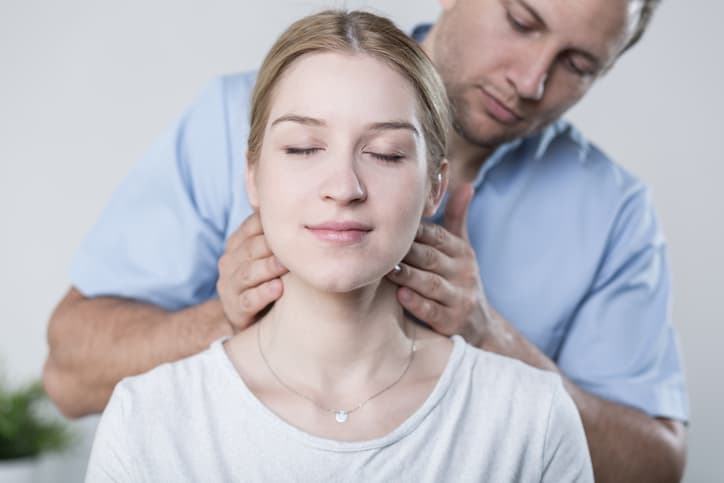
How Can Physiotherapy Relieve a Pinched Nerve in Neck?
Neck pain is a common experience among people, but a lesser-known fact is the reason that causes it. Nerve damage and nerve pain are often symptoms of a nerve being pinched or entrapped. A pinch in the nerve, also called cervical radiculopathy is generally a consequence of injuries to structures adjacent to the nerve. A nerve pinch can occur almost anywhere in the body, but it is most common in the nerves of the neck. When a pinched nerve affects a patient they tend to experience high intensity arm pain, weakness and altered reflexes. How can physiotherapy help? Once you know the cause