

Physiotherapy For Lower Crossed Syndrome
Lower Crossed Syndrome is also known as Pelvic Crossed Syndrome, Distal Crossed Syndrome or 'Unterkreuz Syndrome'. The lower crossed syndrome (LCS) is the result of muscle strength imbalances in the lower segment. When muscles are constantly shortened or lengthened in relation to each other, such imbalances occur. It's an imbalance of tight and weak structures around the pelvis, hips and lower back. This imbalance can cause pain and dysfunction and an over arching of the lower back.Lower Crossed Syndrome is a combination of weak glutes, weak abdominals, tight hip flexors, and a tight lower back. This syndrome is found in




What is Restless Leg Syndrome?
Restless Leg Syndrome (RLS) is a condition marked by unpleasant leg sensations. It is a disorder of the part of the nervous system that causes an urge to move the legs. Restless Leg Syndrome frequently leads to insomnia because it usually interferes with sleep. The leg pain of Restless Leg Syndrome typically eases with motion of the legs and becomes more noticeable at rest.People with Restless Leg Syndrome have uncomfortable sensations in their legs and sometimes in their arms or other parts of the body. They get an irresistible urge to move their legs to relieve the sensations. The condition
What is a Hip Pointer and How Can Physiotherapy Cure it?
A condition of bruise that occurs at the upper part of the hip is called as a Hip Pointer or Iliac Crest Contusion. The part of the hip bone, i.e. the top curve of the pelvis located near the front side of the body is known as iliac crest. Injury to soft tissue and bone usually results from a pointer. Several muscles including the abdominal muscles are attached to the hip bone. A Hip Pointer or Iliac Crest Contusion is very common in contact sports like American Football, Rugby, Ice Hockey etc. and usually it is the result of a direct
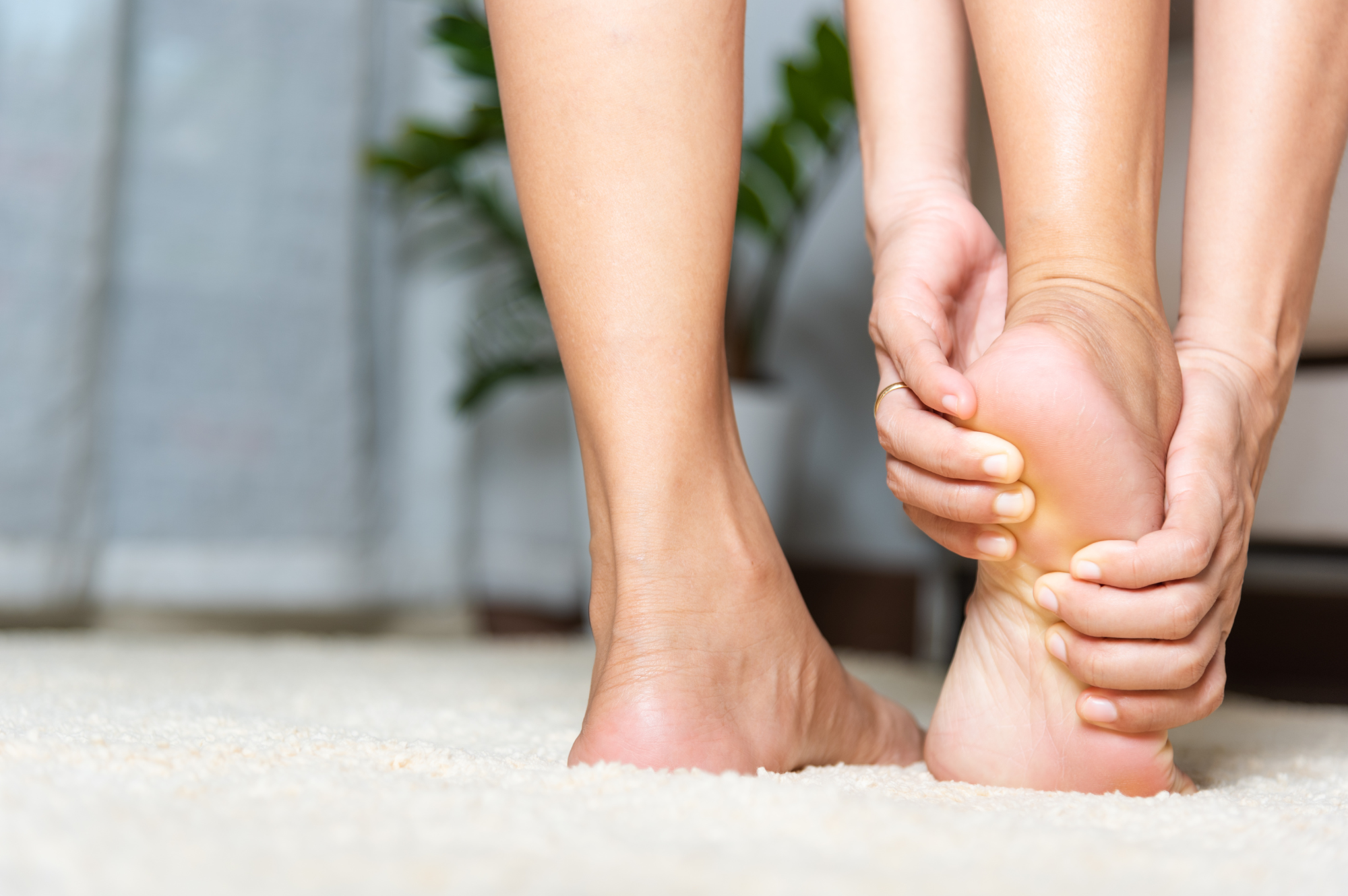
What is a Lisfranc Injury?
A Lisfranc injury is an injury to the mid-foot. It can be referred to as a Lisfranc fracture, Lisfranc injury, Lisfranc dislocation, Tarsometatarsal injury or simply midfoot injury. The injury is named after Jacques Lisfranc De St. Martin, a French surgeon who first described the injury in the year 1815. The foot can be divided into three parts: the forefoot area which contains toes, the midfoot area consisting the small bones called navicular, cuboid and cuneiform. Third part is the hindfoot consisting of the talus (lower ankle) and the calcaneus (heel). These bones are held in place by connective tissues (ligaments)
How to Cure Upper Crossed Syndrome with Physical Therapy?
Upper Crossed Syndrome is described as a muscle imbalance pattern located at the head and shoulder regions. It is commonly found in individuals who work at their desks or who sit for a major part of the day exhibiting a poor posture that incorporates head jutting forward, slumped shoulders and upper back rounding. For instance, simply observe anyone texting on their phone