

Tennis Elbow: Understanding the Condition and Returning to the Activities You Love
Pain on the outside of your elbow can make everyday activities and your favourite sports more difficult. Whether you enjoy tennis, golf, weight training, gardening, or activities that involve repeated gripping and lifting, elbow pain can affect your ability to do the things you enjoy. One possible cause is tennis elbow, a condition that affects the tendons around the outside of the elbow. Despite its name, tennis elbow is not limited to tennis players. It can develop in people with a variety of activity levels, occupations, and hobbies. Understanding what tennis elbow is, what may contribute to it, and which treatment options





The Dynamic Duo: How Chiropractic Care and Physiotherapy Complement Each Other
In the world of healthcare, there are numerous modalities and approaches aimed at promoting well-being and treating various ailments. Two prominent disciplines that often come into the spotlight are chiropractic care and physiotherapy. While they each have their unique principles and techniques, they can be powerful allies when utilized together. In this blog, we'll delve into how chiropractic care and physiotherapy complement each other to provide comprehensive care for patients. Understanding Chiropractic Care and Physiotherapy Before exploring their synergy, let's briefly outline what each discipline entails: Chiropractic Care Chiropractic care focuses on diagnosing and treating musculoskeletal disorders, primarily through manual adjustments and manipulations of

How Does Physiotherapy Help Improve Coordination?
Physiotherapy in general involves exercising and manipulating the body. Whether you suffer from any physical disorder, injury, or you simply wish to improve your physical health, physiotherapy is the only solution. It can help improve joint and muscle function, which directly helps improving coordination, muscle-strength, posture, range-of-motion, and overall fitness. Developmental Coordination Disorder (DCD) is a movement (motor) skill disorder. It isn’t related to physical disorders such as cerebral palsy, or to any intelligence disorders. DCD usually affects school-going children. Children with DCD have poor coordination skills below the expected levels in regards to their age and intellect, and these movement
Why do I pee when I jump or without warning? How can pelvic physiotherapy help to end these problems?
The issue of urinary leakage, particularly when jumping or experiencing unexpected urges, is commonly associated with a condition known as urinary incontinence. This can occur due to various reasons, but one of the prominent causes is weakened or dysfunctional pelvic floor muscles. Causes of Urinary Leakage: Weak Pelvic Floor Muscles: These muscles support the bladder and help control urination. Weakening or damage to these muscles can lead to leaks, especially during activities that put pressure on the bladder, like jumping or sudden movements. Childbirth: For women, childbirth can stretch and weaken the pelvic floor muscles, leading to urinary incontinence. Age and
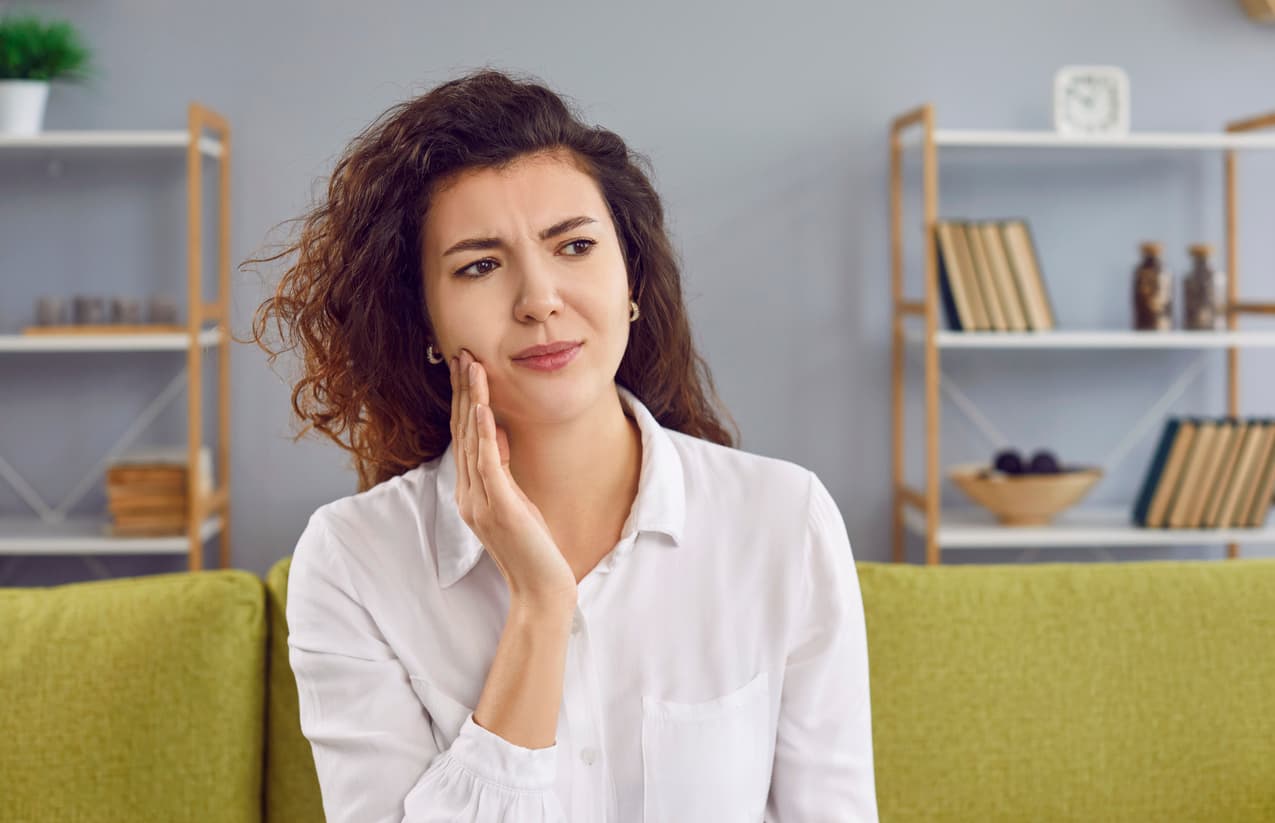
Understanding TMJ Pain: How Physiotherapy Offers Relief
Temporomandibular Joint (TMJ) pain is a common yet often misunderstood condition that affects the jaw joint and muscles controlling jaw movement. For those experiencing TMJ pain, the discomfort can be debilitating, impacting daily activities like eating, speaking, and even sleeping. However, relief is within reach through the expertise of physiotherapy. Let’s delve into what TMJ pain entails and how physiotherapy can alleviate its symptoms. What is TMJ Pain? The temporomandibular joint connects your jawbone to your skull and facilitates essential movements such as chewing, talking, and yawning. TMJ pain occurs when this joint becomes inflamed, causing discomfort, stiffness, and sometimes, clicking or